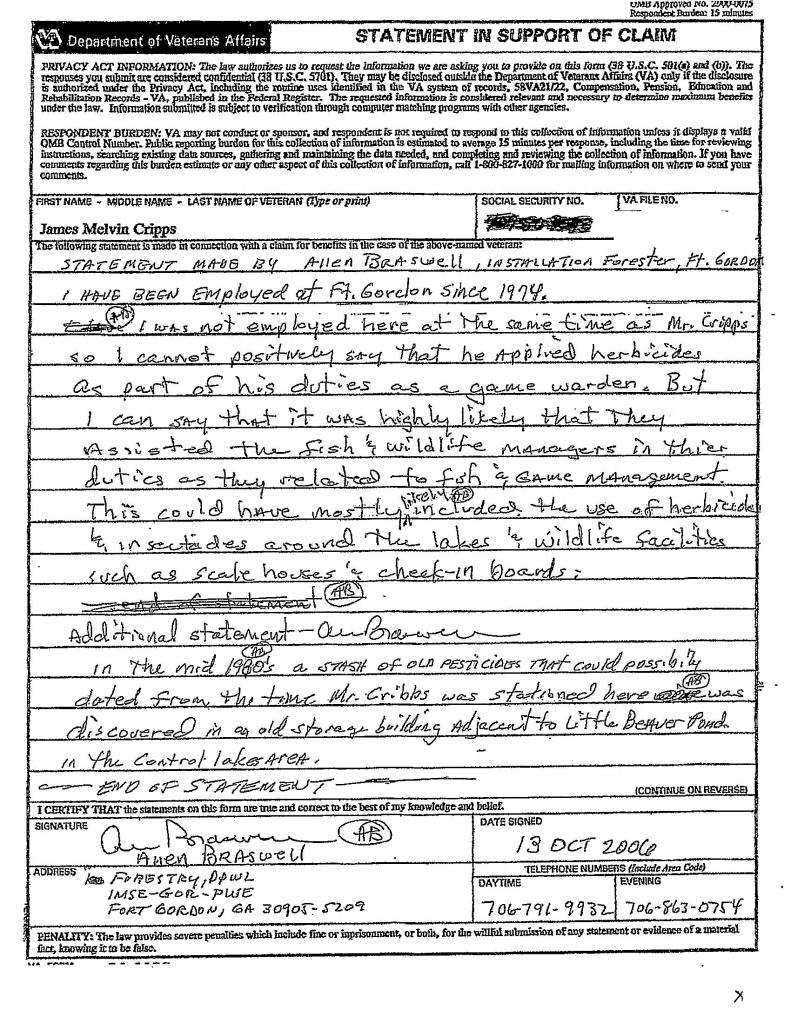
I just released the documentation that my stash of Agent Orange was found at Fort Gordon. It was there and discovered by the instillation Forester in a locked buildin on Little Beaver Pond in the mid 1980s. It just sat there for many years corroding the metal drums and leaking into the Controled Lakes.
The news story was aired in Augusta Ga. by WRDW News Chanel 12 on March 14th and March 15. It is a two part series. The evidence and documentation is also now available from WRDW.com and this website vatheredneckway.com
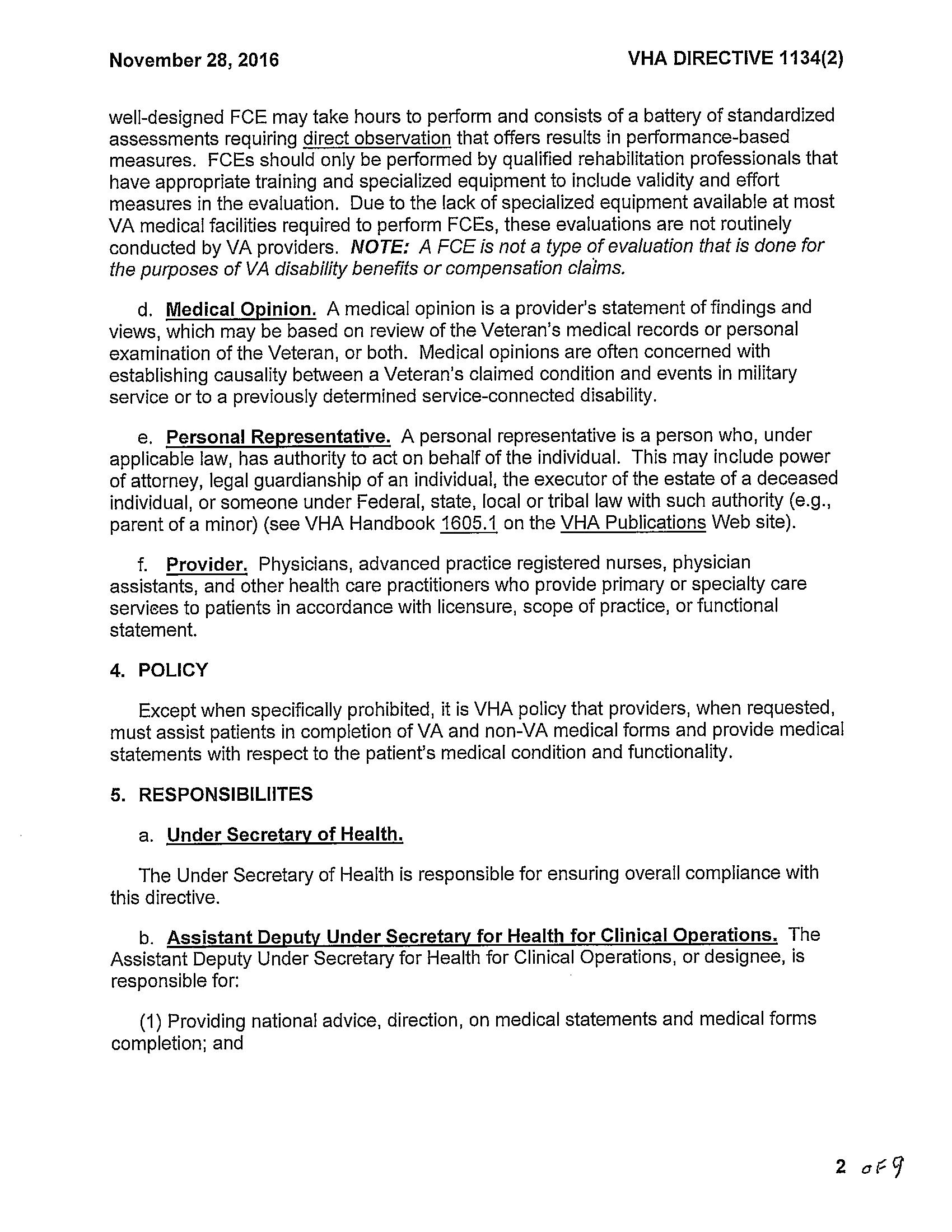
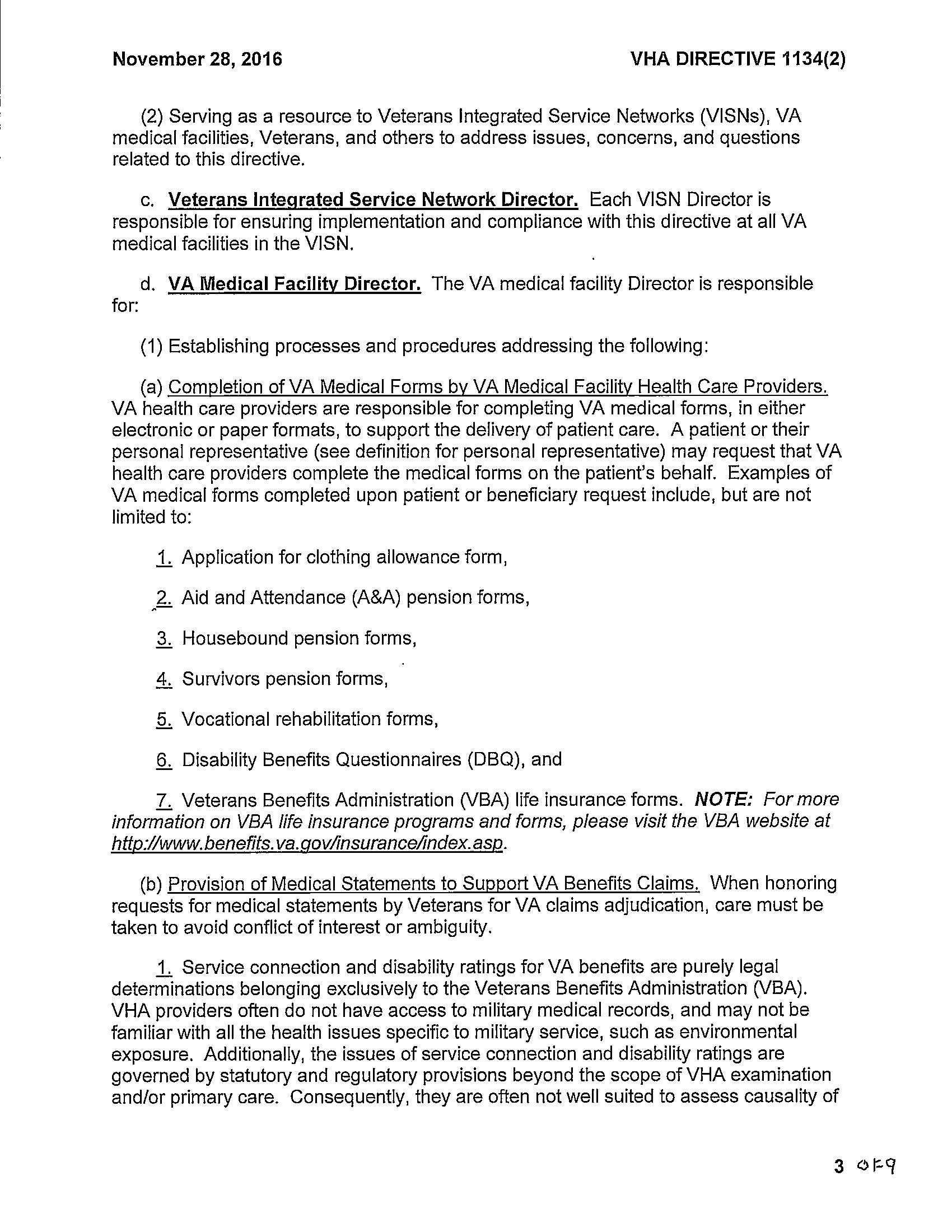
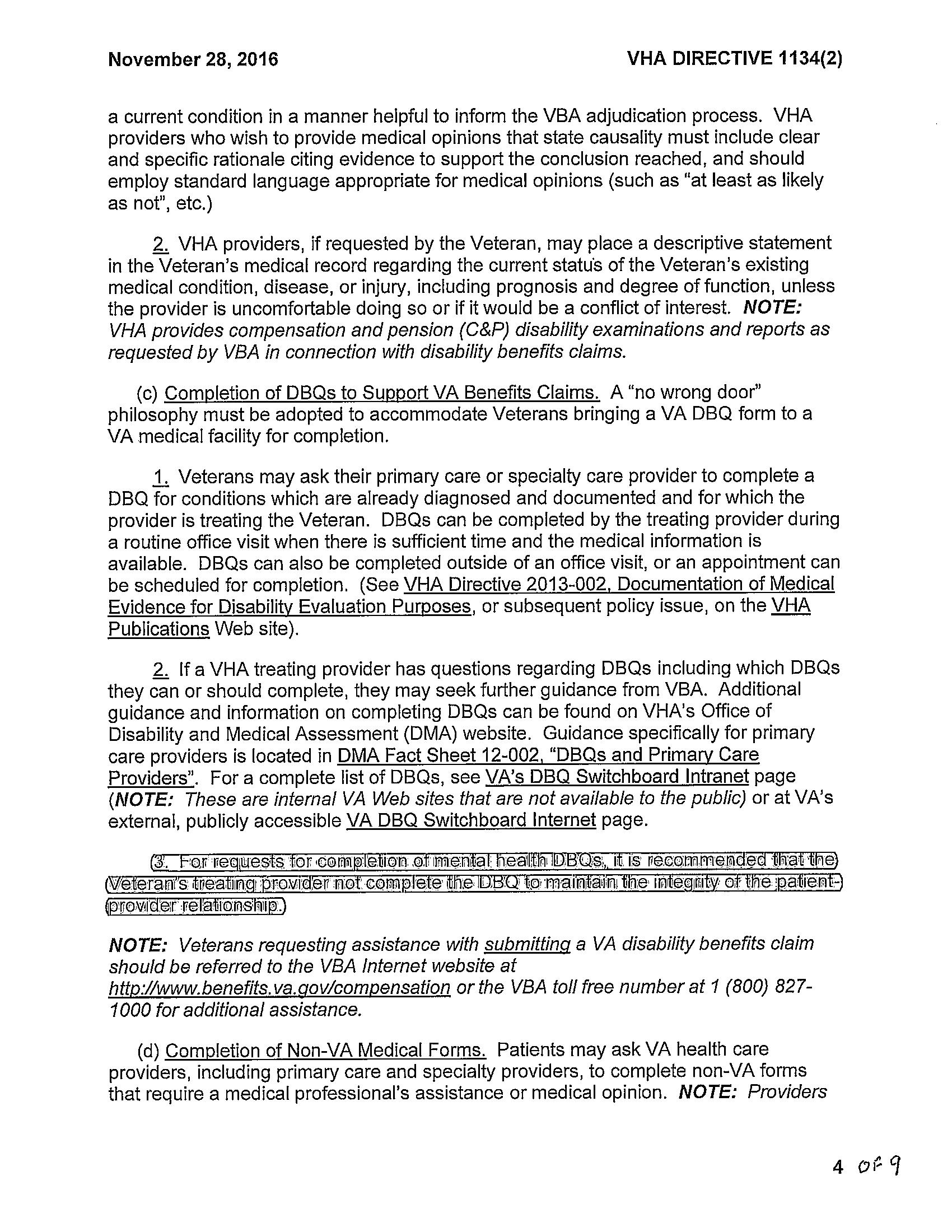
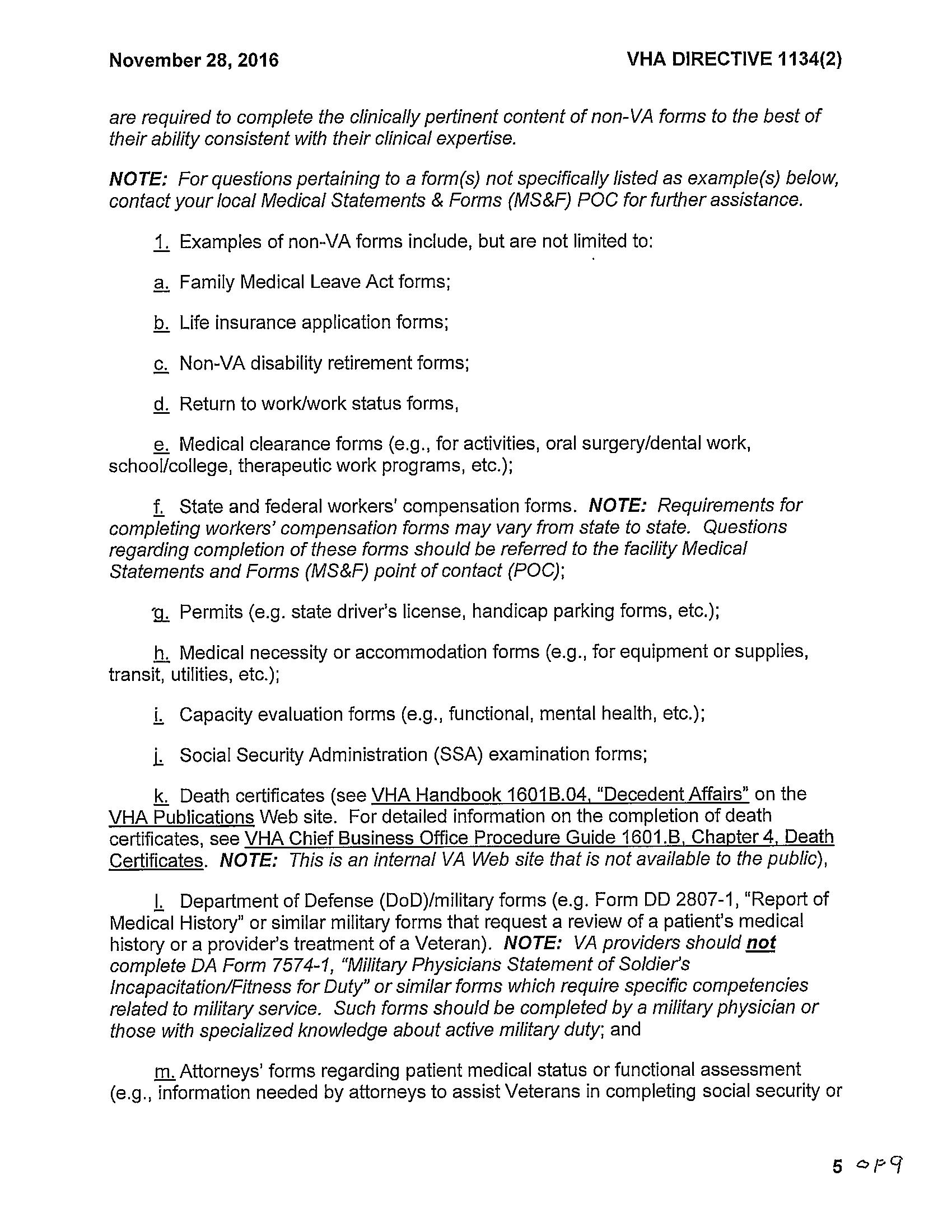
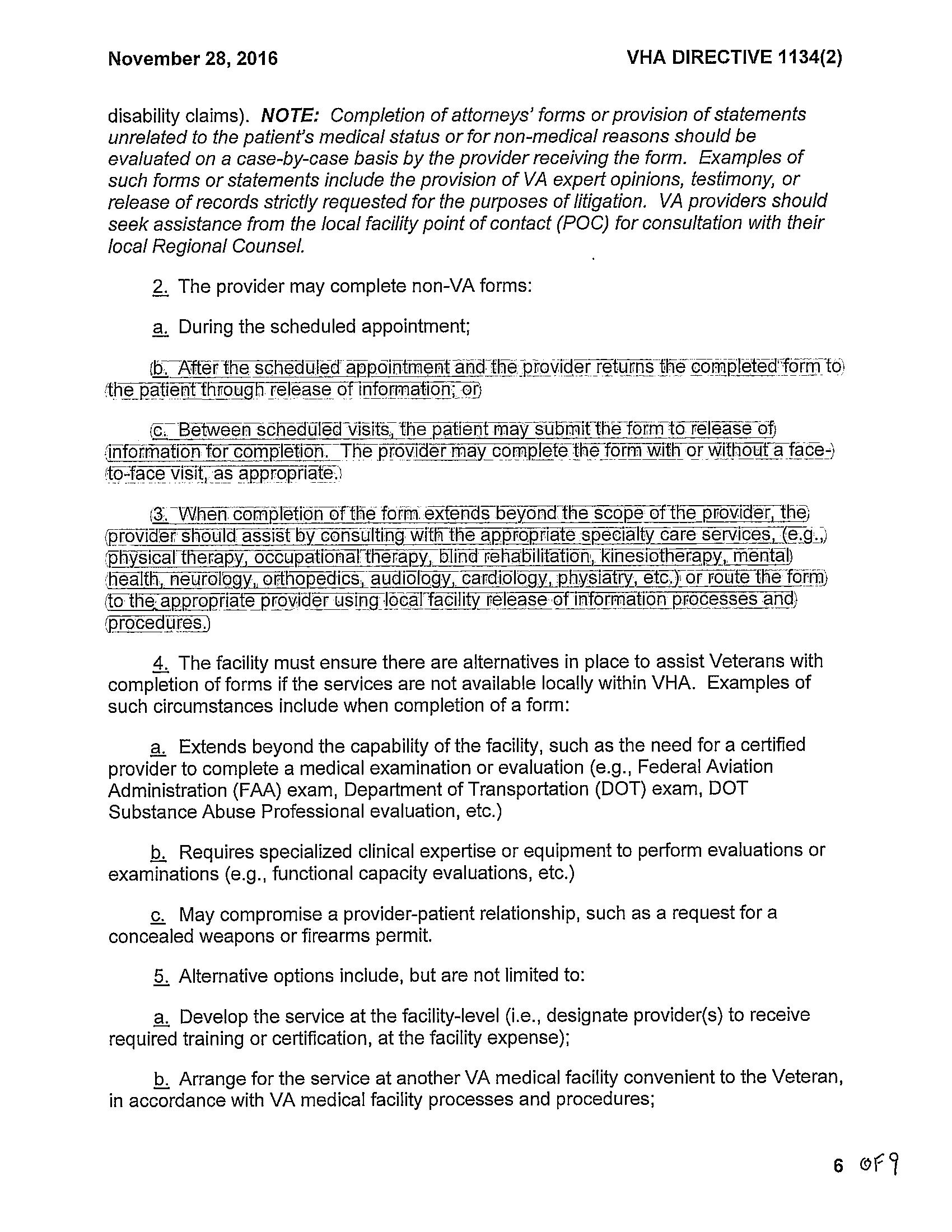
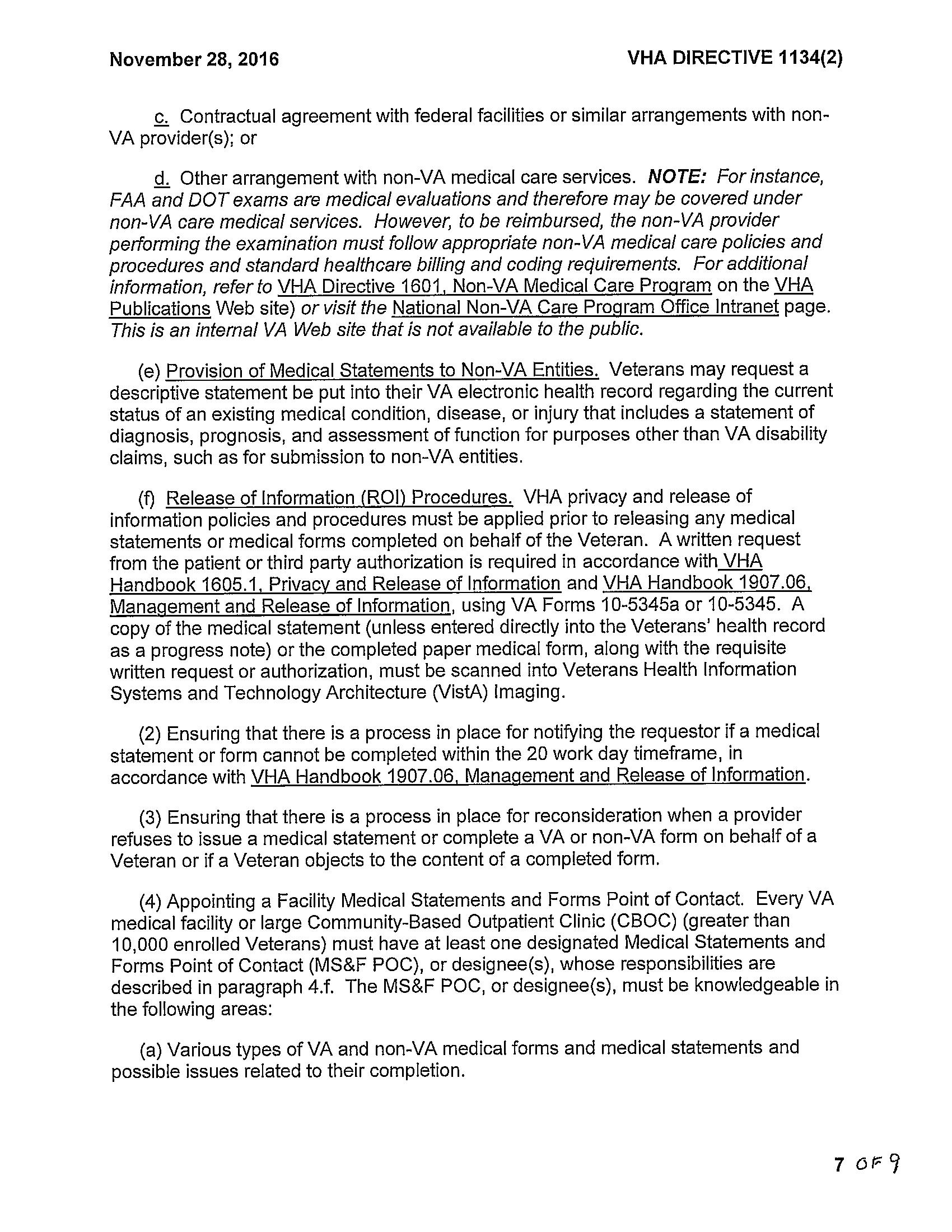
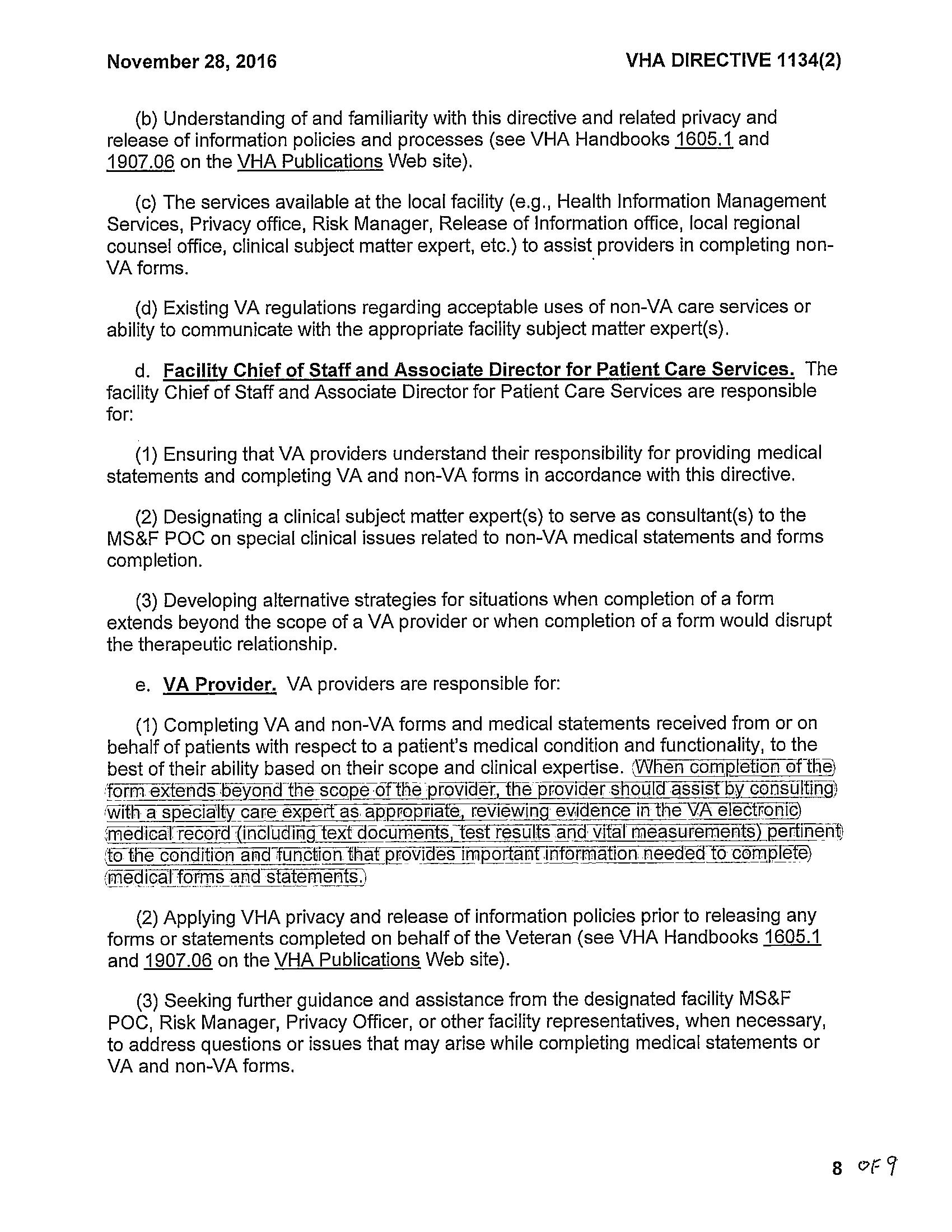
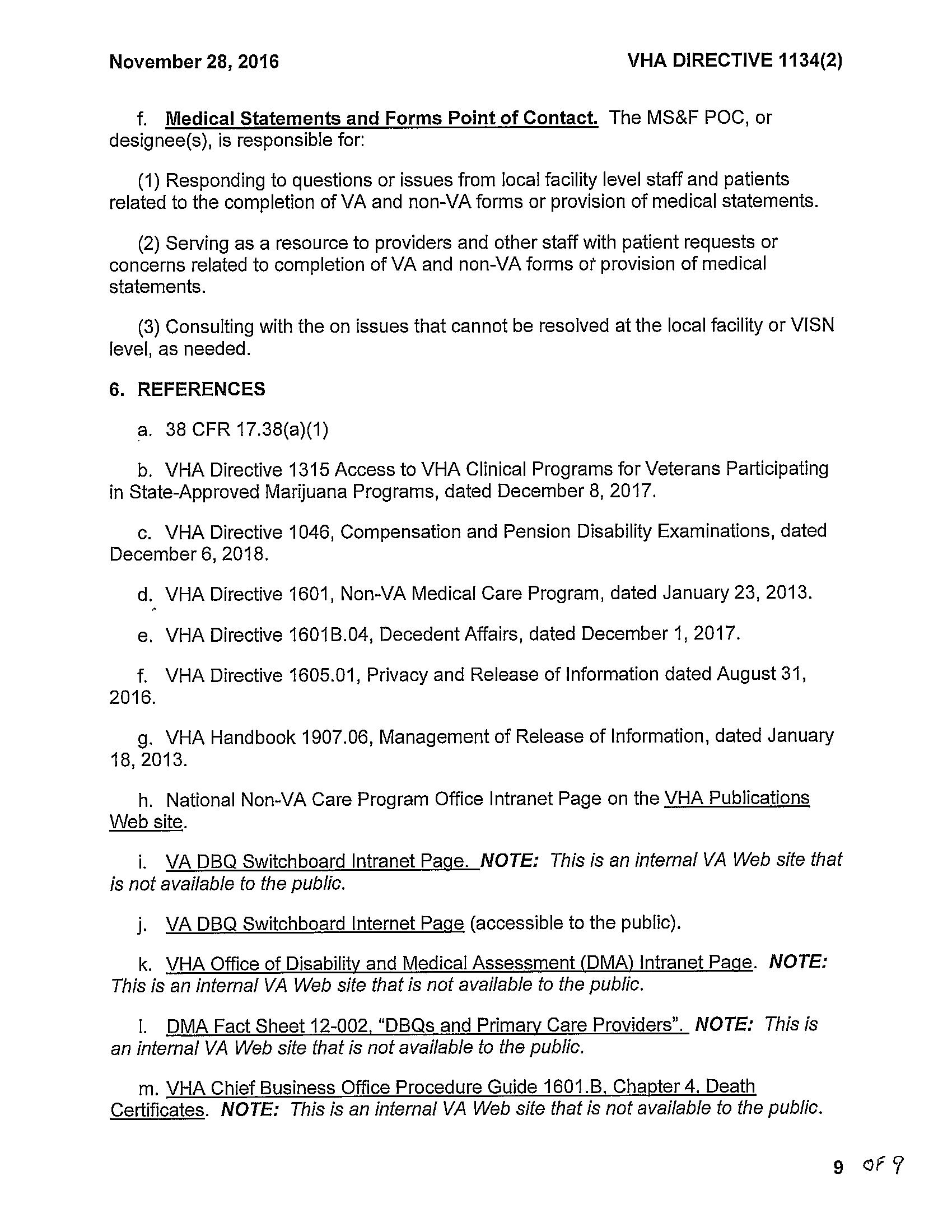
The answer to that one is yes. Not only are they allowed to support you by writing a letter in support of your claim, or filling out a form for you, but they are actually required to as part of their job. You can read the regulation posted below, or you can do a google search for VA directive 1134(2)
Agent Orange was a toxic, plant-killing chemical (herbicide) that the U.S. military used to clear foliage during the Vietnam conflict. Exposure to the herbicide causes Agent Orange effects, which include cancer, congenital (birth) disorders and life-threatening health complications.
I have read many claims for agent orange exposure at Fort Gordon that were denied at the VA Regional Office and denied again at the Board of Veterans appeals. Those searchable prior BVA decisions are available at the BVA search prior decisions web site. You can type into the search block contained in the below site the words Fort Gordon Agent Orange to view the BVA Fort Gordon granted and denied claims that I am refering to.
MY WIN, THE VERY FIRST CLAIM FOR AGENT ORANGE EXPOSURE AT A MILITARY POST OR BASE INSIDE THE CONTINENTAL UNITED STATES can be found at the following link.
The BVA Veterans Law Judges, in denying a claim for agent orange exposure at Fort Gordon describe the conceded spray and test area of July 15-17, 1967 as being confined to athree acre plot. Most agent orange exposure claims have been denied for the reason that the veteran arrived at Fort Gordon sometime after the test dates.
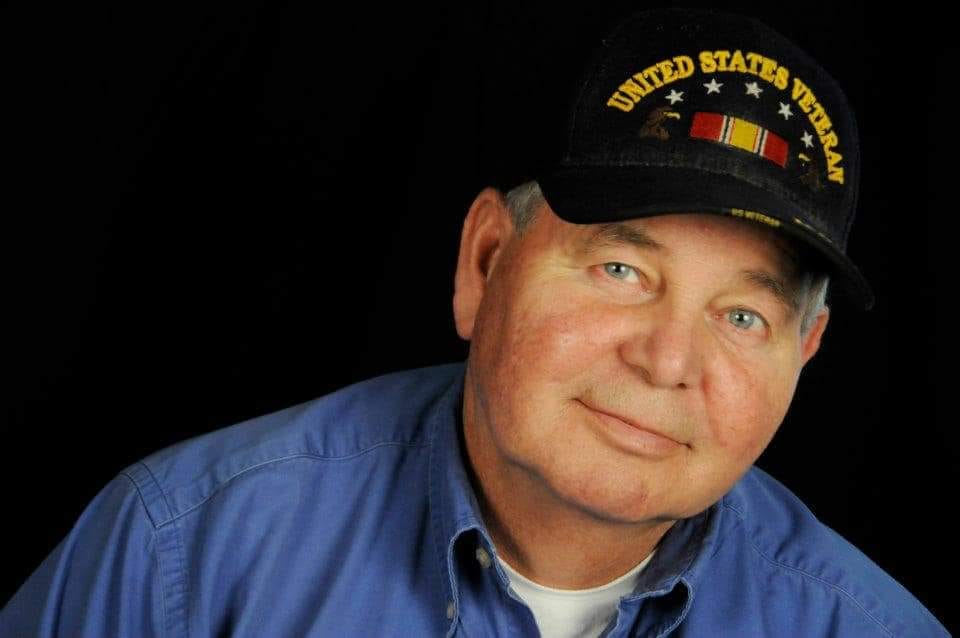
James M. Cripps, circa 2015
I have read many Fort Gordon agent orange claims that were denied because the veteran arrived at Fort Gordon a few days, weeks, months, or even years after the conceded July 15-17, 1967 test spray dates. I have read many other cases where the veteran was granted agent orange exposure when the veteran arrived on post as much as five years after the conceded dates. There is no rhyme, reason or justification for such a wide range in the decisions. A few examples can be viewed by clicking the links below.
A denied case, this Veteran was stationed in Fort Gordon during and after the herbicide agent testing from June 8, 1967 to September 12, 1967 and from April 2, 1968 to April 12, 1968. https://www.va.gov/vetapp18/files9/18137634.txt
It is probable that I am, if not the last living witness, one of the last living witnesses as to what actually took place at Fort Gordon concerning the use of tactical herbicides, Agent Orange, Agent Blue and Agent White in 1967, 68, and up until March 4th 1969when I left Fort Gordon and was deployed to Germany.
A picture of my lower torso on the operating table, mid operation, in July, 2020, at the Nashville VAMC. The gloved haand is squeezing my bladder in order to empty it. I had to be reconstructed from my knees to my navel. The Fournier’s Gangrene was caused by the Chloracne, the Diabetes, and the prescribed medication thereof. All secondary to agent orange exposure at Fort Gordon. The Fournier’s Gangrene literally ate me alive.
I was a US Army MP Game Warden stationed at Fort Gordon from September 22, 1967 until March 4, 1969. I actually arrived on post two months after the July 15-17 test spray dates. I spent some time on patrol in the test atea, training area 47, as part of my duty to systmatically patrol the entire post in my job as a MP Game Warden.
FORT GORDON GAME WARDEN
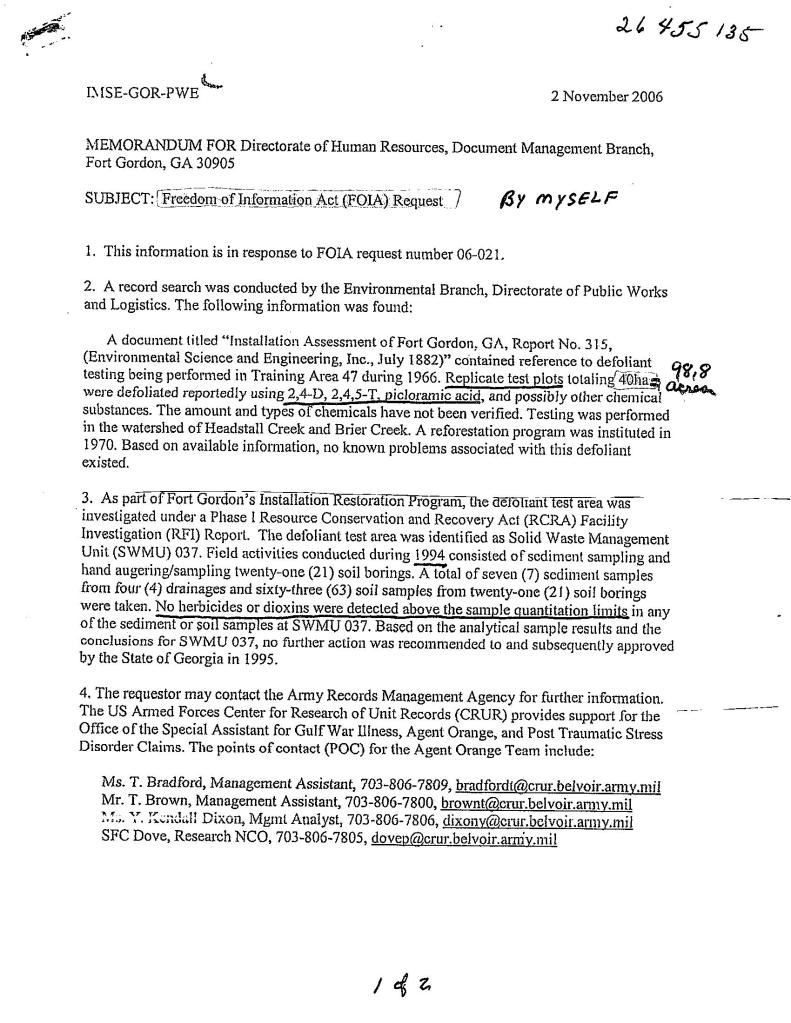
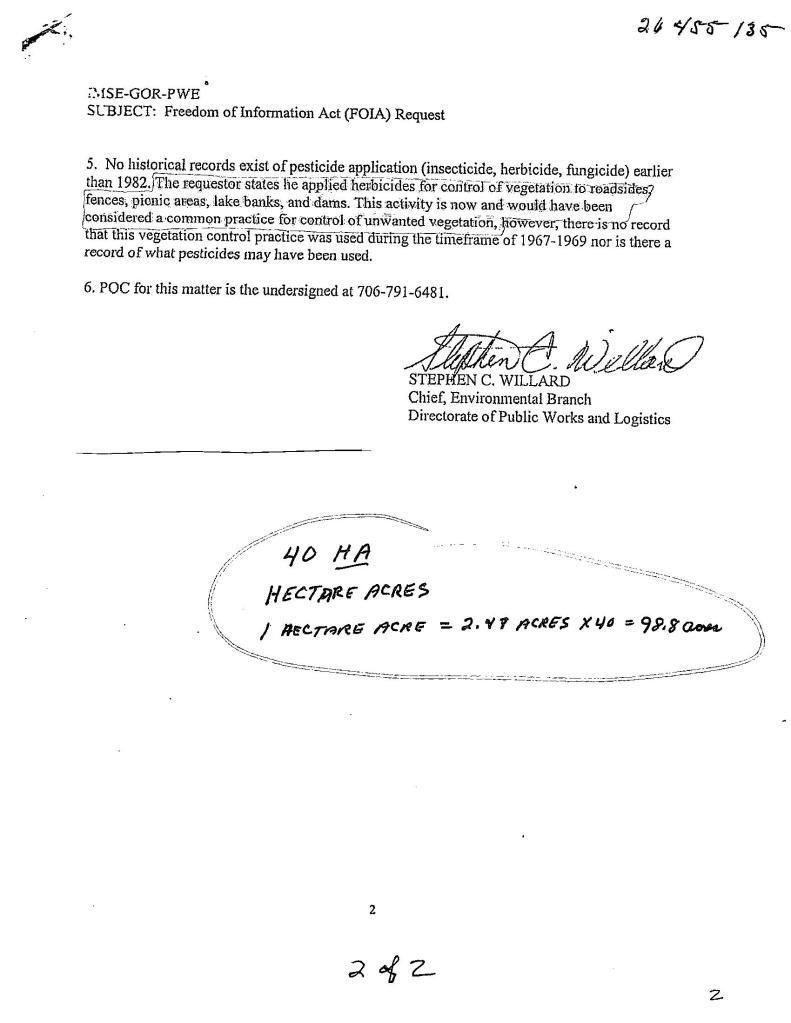
The Veterans Law Judges seem to want to minimize the incident and the probability of exposure by stating that only three acres were involved in the testing, when in actuality, multiple three acre plots were involved totaling almost one hundred acres. In support of the involvement of more than a three acre plot, consider the amount of herbicides involved in the testing as described below.
Alvin L. Young, Ph. D, the trusted professor and government contractor who was hired to study, summarize, report and document the spraying and testing states that 475 gallons of tactical herbicides blue, 95 gallons of orange and six gallons of white were used on each test area. Alvin Young’s report on the testing at Fort Gordon is revealed further down in this thread.
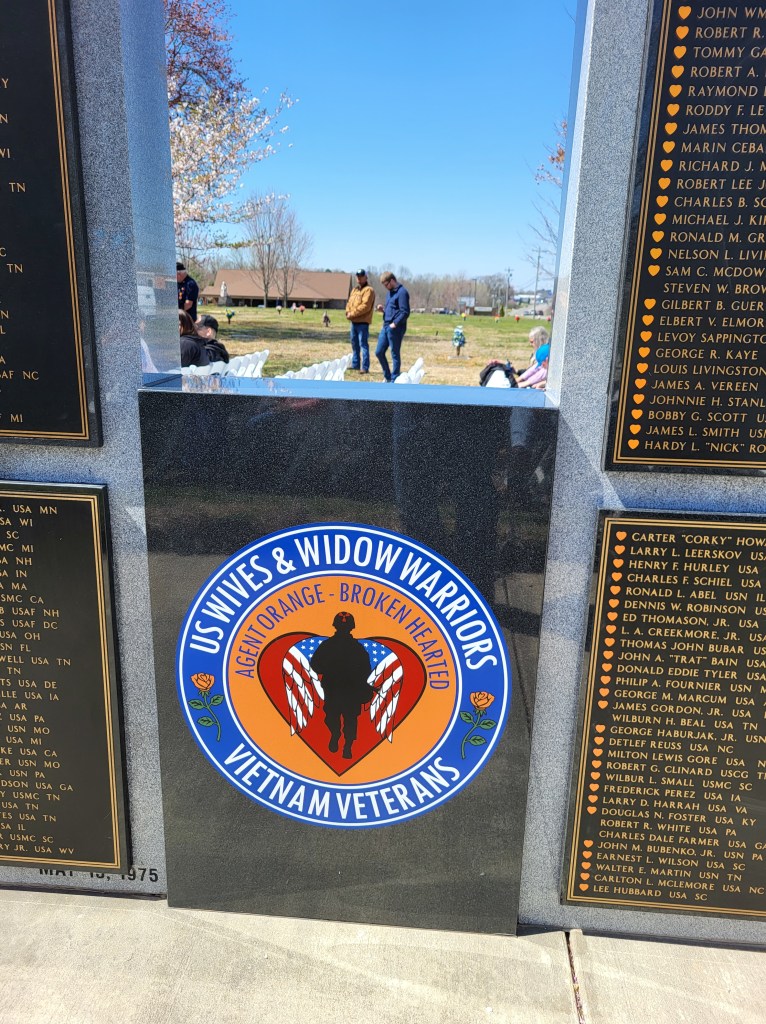
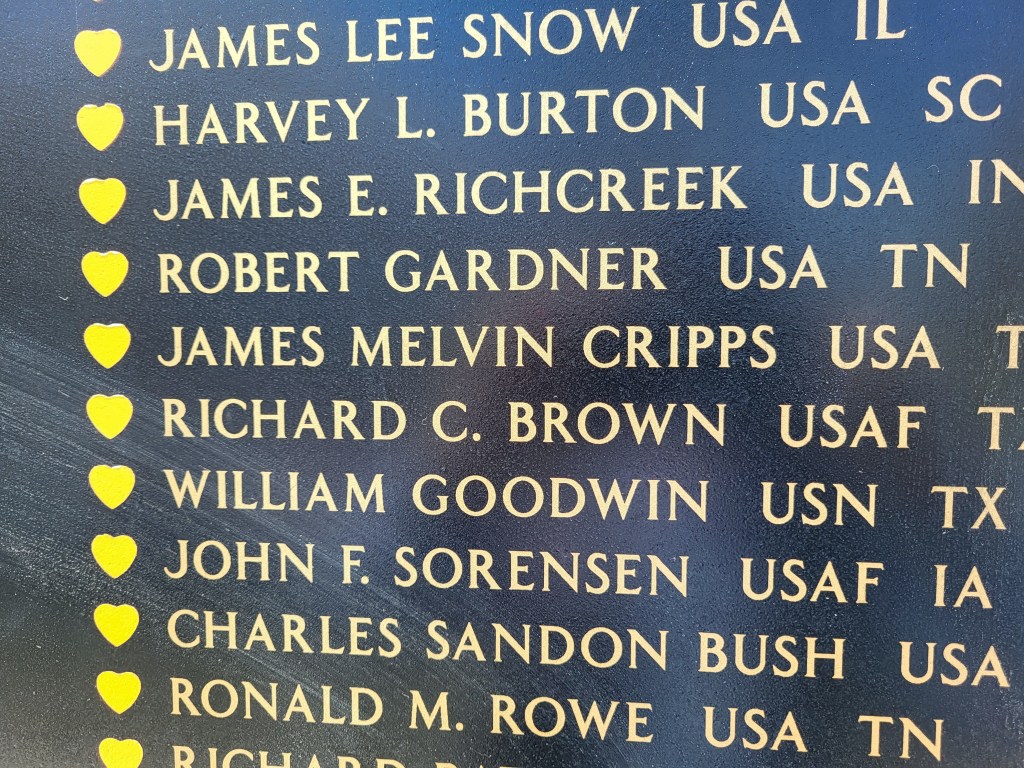
My name on the Agent Orange Wall Of Honor located in Springfield TN. Sixth name from top right.
Those amounts would be the concentrated defoliants contained and transported in the color banded steel fifty five gallon drums. The concentrate had to be diluted by mixing with Diesel fuel, as it was soluble in oil. The Agents Blue and White were diluted using water as they were soluble soluble in water. Given the afore mentioned, we are now talking about many hundreds of gallons of defoliant being applied to a single three acre plot? Also, reasonably, there would be no need to use a Bell G-2 helicopter with two forty gallon tanks and two twenty six foot booms to spray a single three acre plot.
Dr. Dewey Dunn is the VA Medical Center Nashville Environmental Clinician. He is considered by the VA to be an agent orange expert. Dr. Dunn preforms agent orange exams and says that my chloracne is a,”tell tale sign”, or a “bio- marker”, for my agent orange exposure.
True, the tactical herbicides that were used in the testing were applied by Fort Detric personnel, and they brought the uncut product with them. What has not been discussed is the fact that all of the herbicides were not used up in the testing conducted by the airel Bell G-2 helicopter spraying. Also consider the fact that hand pumps were used to extract the product from the steel drums. The hand pumps were not capable of pumping all of the product from the drum. two to three unreachable gallons always remained in the bottom of the, so called, “empty drum”.
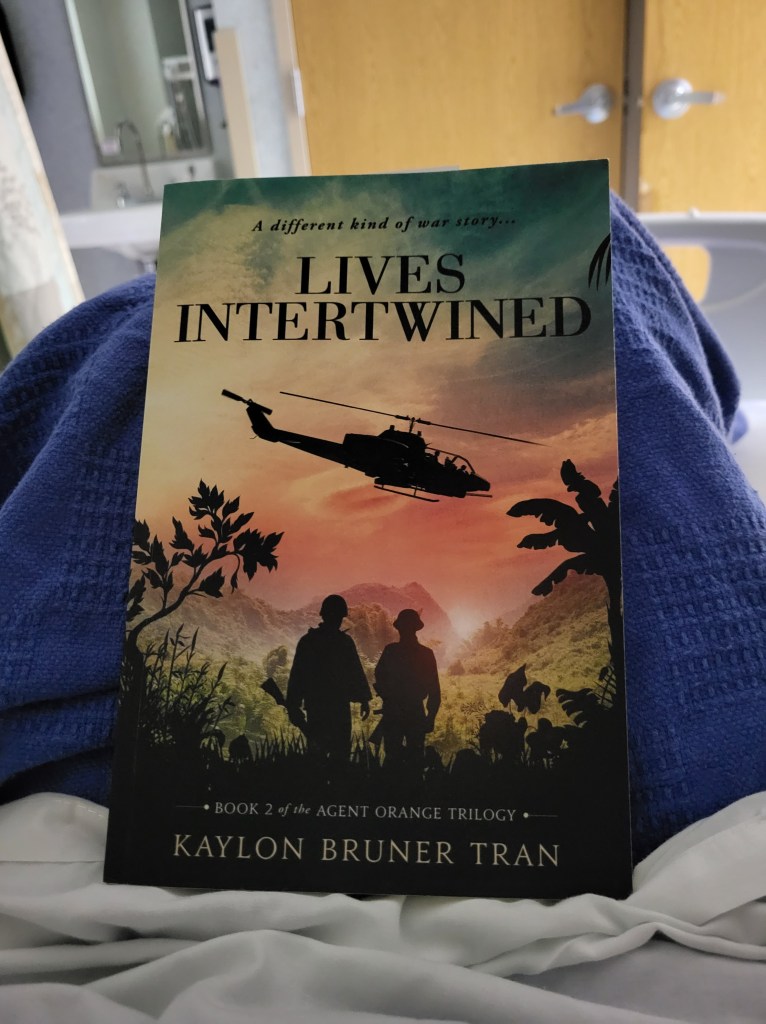
Pictured above is the cover of a novel written by a Vanderbilt Professor, Kaylon Bruner Tran. She devoted chapter 67 in her three book series novel to recognize my first CONUS agent orange win. My case happened to be the very first case to be granted for agent orange exposure at a military post or base inside the Continental United States.
Seemingly the words desiccants are always used along with in house mixtures in order to minimize. A desicant is a drying agent. An in house mixture simply meant that the herbicides were cut and mixed on sight. Piclorium was also used in the mixture in order to extend the time before the liquids dried, giving it a better chance of being absorbed into the soil.
In my job as a MP Military Game Warden, I was not your every day,”run of the mill MP”. I reported to and worked directly under the orders of the Provost Marshal. In addition to MP Game Warden, I was also appointed as a Deputy Sheriff of Augusta and Richmond County Georgia. I had orders to work in close association and relationship with the Fort Gordon Fish and Wildlife Division, The Fort Gordon Post Engineer, and the Fort Gordon Forestry Division.
At the time,1967-1969, there were only two asigned Fort Gordon MP Game Wardens and we worked oposite shifts, 12 hours on duty and 24 hours off duty, but avaliable on a on standby basis 24/7. We were asigned as Game Wardens, we were not formerly trained as MPs. We did not attend training with the 140th MP company and we were the only two Fort Gordon MPs who were asigned to Headquarters Company and not the 140th MP Company. In addition to the PM arm bands we wore badges on our breast pocket, identifying us as Fort Gordon Game Wardens. My Badge number was #6.
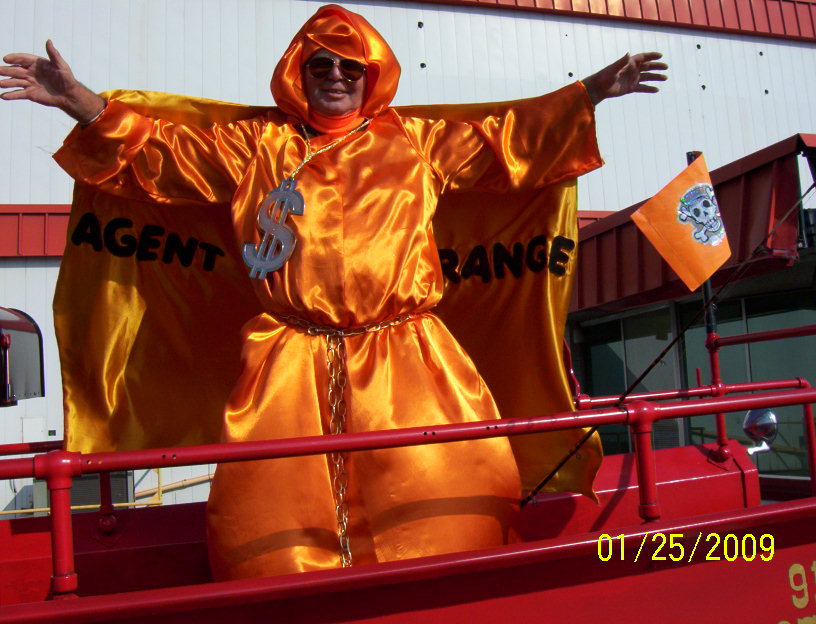
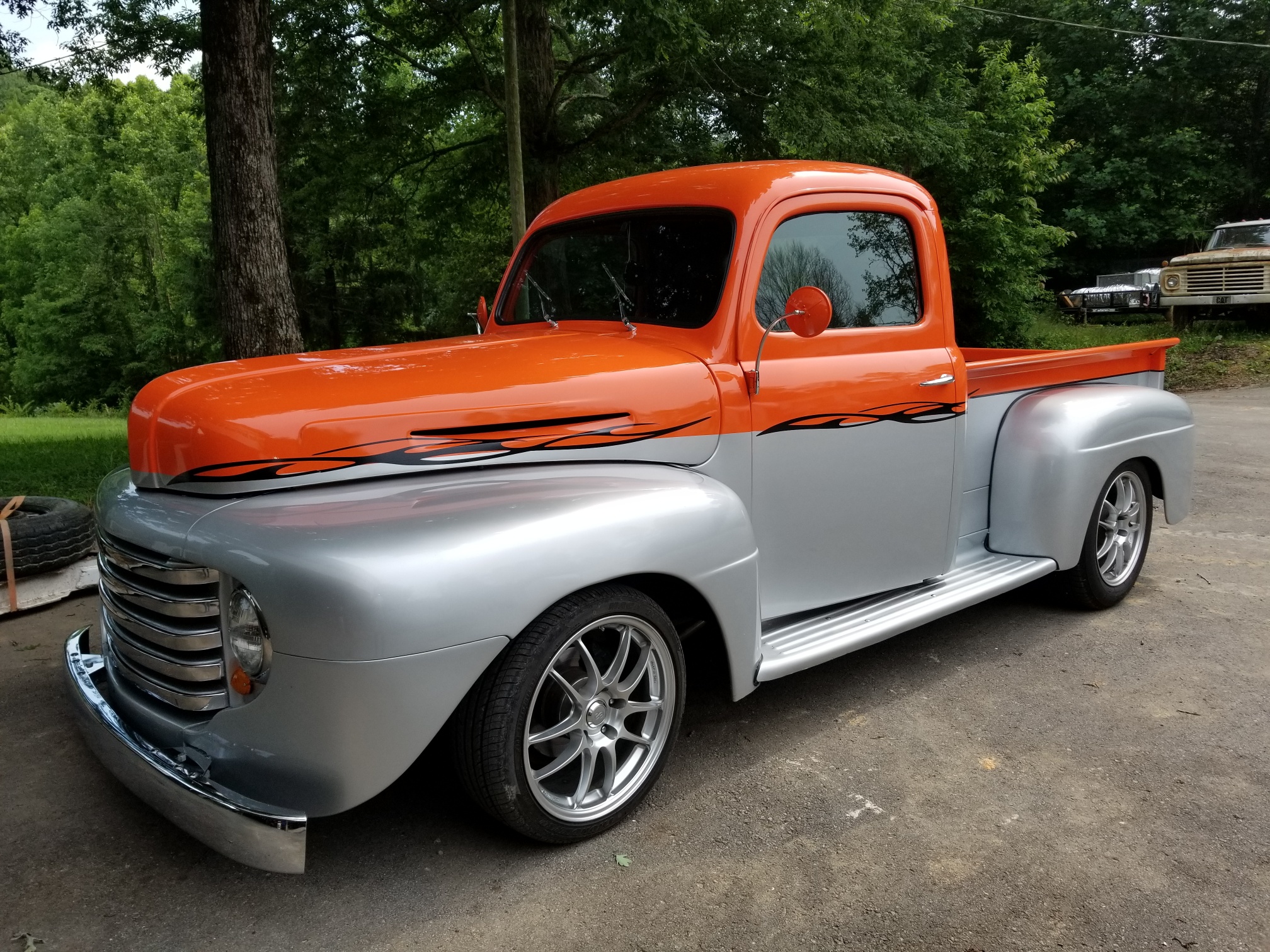
My classic 1948 Ford F-1 Agent Orange truck.
I was instructed to use up the herbicides that were contained in fifty five gallon drums and stored in a forestry shed. I was assigned a M151-A1 Jeep and a 1967 Ford Bronco. My radio call sign was 18 Alpha. both of my MP vehicles were clearly marked “Game Warden”.
Having no means to transport a 55 gallon drum in my assigned military vehicles, I pumped the herbicides from the steel fifty five gallon drums into smaller five gallon drums. I diluted the herbicides as instructed and transported them to a maintenance shed which was located inside the controlled lakes area and situated on Little Beaver Pond.
Upon the filing of my claim for agent orange exposure while working as a game Warden at Fort Gordon in 1967-1969, I was initially denied for the reason that I claimed to be a Game Warden but the record only revealed that I was a 95B20, an MP.
Hood art on my 1957 Chevrolet Nomad. Note the scene in the tear drop.
There was no doubt in my mind that I needed to travel back to Fort Gordon in order to prove my case. I needed to prove that, not only was I a Game Warden but that I was, without a doubt, exposed to agent orange and other tactical herbicides in the performance of my military duty.
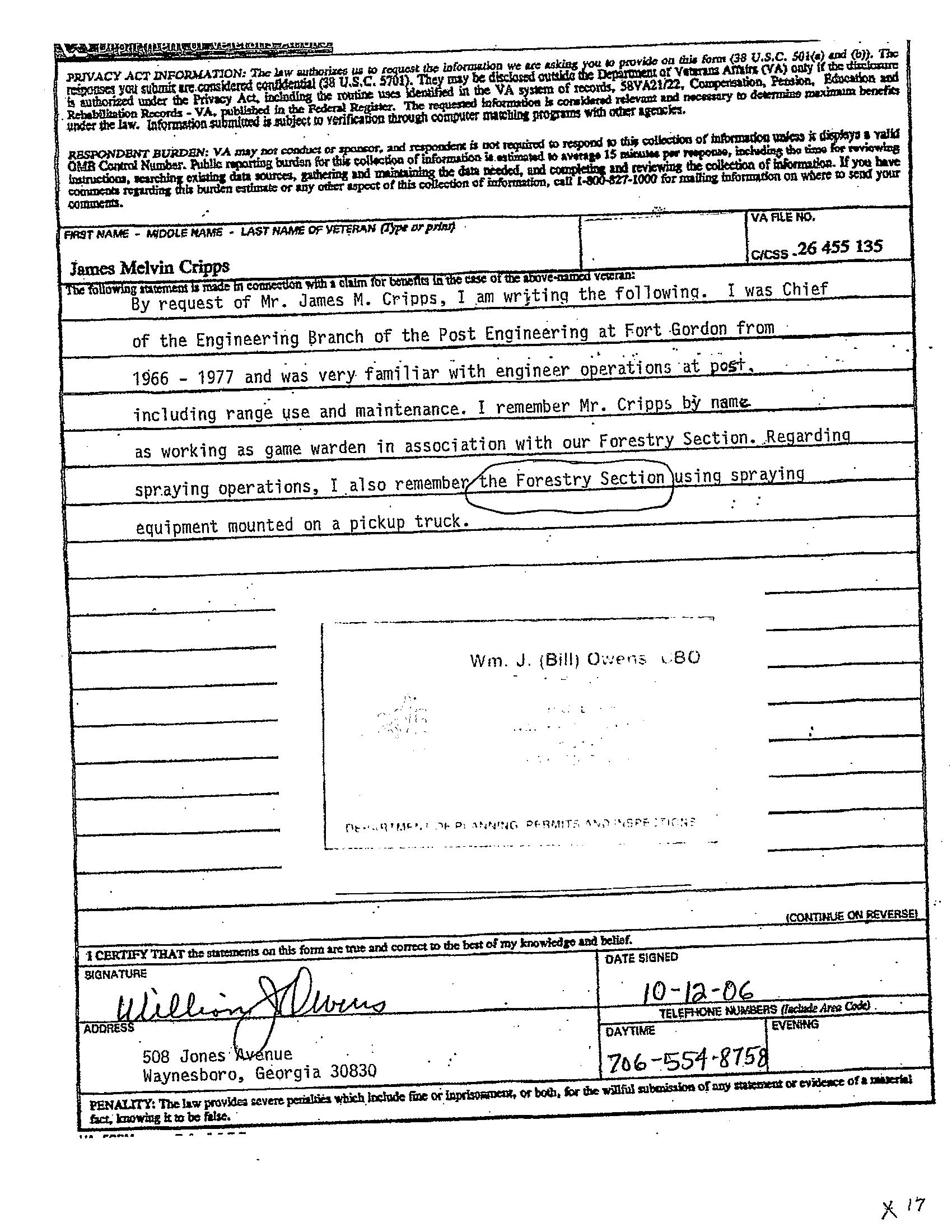
On October 11th, 2006, my wife and I arrived on post, Fort Gordon Georgia. We began the task of gathering the needed evidence in support of my claim. I met with the Post Commandant, The Adjutant General, current Chief Game Warden, the Instillation Forester, and the retired Chief Post Engineer who happened to be the Engineer while I was stationed there. The Engineer remembered me by name as being the Fort Gordon Game Warden. I managed to secure written statements from each of those prominent and impeccable witnesses. Those statments in support of my claim eventually led to the successful appeal before the Board of Veterans Appeals on November 2nd, 2009.
Camp Crockett was established in late 1967 on the Fort Gordon Military reservation for the training of soldiers, preparatory to Airborne and Special Forces schools during the Vietnam war.
Located on an isolated part of the installation, the camp included a mockup of a village set up to look like one that would be encountered in Vietnam. The Vietnam Village at Camp Crockett in 1967 was a training site used for various purposes, including tactical tasks such as guerrilla and counter-guerrilla warfare. Soldiers training at the camp were housed in quonset huts, one of which served as a field kitchen.
Abandoned in 1969, the locations of the quonset huts are marked by concrete slabs in a pine forest planted as part of a reforestation project instituted in 1970.
In 2010, news reports indicated that Agent Orange herbicide was applied by helicopter to 98 acres of Training Area 47 in July 1967 prior to the establishment of Camp Crockett. Camp Crockett had no showers in the company area. The troops had to go down to Lower Leitner lake to shower in unfiltered lake water. In order to avoid the long lines at the showers, most soldiers chose to take a bath while swimming in the lake.
Notice the proximity of Camp Crockett quonsit huts to the chain of controled lakes. Leitner lake showers were just down the hill from the quonsit huts.
Lower Leitner lake was the last downstream lake in a chain of thirteen lakes and is situated downstream from Little Beaver pond where I stored my stash of herbicides. Ninety percent of my defoliation duties were conducted inside the controled lakes area to include all of the lakes contained therein.
Where did all the brave soldiers go?
The mock Vietnam Village
The perimeter of the mock Vietnam Village was also defoliated. I was not personaly involved in the defoliation there, but I did witness the spraying operations around the perimeter. I am aware of at least one claim for agent orange exposure that was granted for agent orange exposure at the mock Vietnam Village location.
Hopefully, soon after the end of the 2023 year, early Janurary, WRDW, Chanel 12 TV in Augusta Georgia will broadcast an investigative news special report on the Fort Gordon Agent Orange subject. On 12/20/2023, I completed my interviews with the reporters. I have already submitted the supporting evidence to the TV station. After the airing of that news story, I will post evidence here that shows a likleyhood that those herbicides that I did not have time to use up before being deployed to Germany remaind where I left them in the shead on the bank of Little Beaver pond until the mid 1980s.
It would be feasible, and “at least as likely as not”, that anyone who was assigned at Camp Crockett for AIT training was exposed to tactical herbicides orange, white, and blue. Anyone who trained at the former mock Vietnam Village could have been exposed to tactical herbicides orange, blue and or white. In addition to the above, anyone who entered the controlled lakes area for recreation and/or fishing would have met with the likleyhood of exposure to tactical herbicide orange, blue and/or white. The time frame of exposure at the above mentioned locations would have been between July 15, 1967 and the mid 1980s, when the Instillation Forester swore in a statement that he found my stash of herbicides on Little Beaver Pond.
I am a 100% disabled veteran. I have been rated as R-2 veteran for many years. I draw compensation at the maximum benefit rate, therefore, I stand to neither gain or lose anything by divulging the foregoing or the following information and documentation.
My 1986 M-39 5 ton Military truck.
The following report of the testing at Fort Gordon (site 21) by Alvin L. young can be found at the following website;
The History of the US Department of Defense Programs for the Testing, Evaluation, and Storage of Tactical Herbicides
December 2006 Submitted by Alvin L. Young, Ph. D.
for Office of the Under Secretary of Defense William Van Houten Crystal Gateway 2, Suite 1500 1225 Jefferson Davis Highway Arlington, VA 22202 Contract No. DAAD19-02-D-0001 TCN 05204/D.O. 0691
Battelle Columbus A. L. Young Consulting, Inc. Prime Contractor Subcontractor Standard Form 298 (Rev. 8-98) Prescribed by ANSI-Std Z39-18 REPORT DOCUMENTATION PAGE Form Approved OMB No. 0704-0188
REPORT DATE (DD-MM-YYYY) 15-00-2006
REPORT DATE FINAL REPORT
DATES COVERED (From – To) FROM: 24 Aug 06 TO:15 Dec 06 5a. CONTRACT NUMBER DAAD19-02-D-0001 5b. GRANT NUMBER
TITLE AND SUBTITLE The History of the US Department of Defense Programs for the Testing, Evaluation, and Storage of Tactical Herbicides 5c. PROGRAM ELEMENT NUMBER
5d. PROJECT NUMBER
5e. TASK NUMBER
AUTHOR(S) Alvin L. Young, Ph.D. 5f. WORK UNIT NUMBER
PERFORMING ORGANIZATION NAME(S) AND ADDRESS(ES) A. L. Young Consulting, Inc. 1810 Tranquility Road Cheyenne, WY 82009
PERFORMING ORGANIZATION REPORT NUMBER Delivery Order 0691
SPONSOR/MONITOR’S ACRONYM(S) ARO
SPONSORING/MONITORING AGENCY NAME(S) AND ADDRESS(ES) U. S. Army Research Office P. O. Box 12211 Research Triangle Park, NC 27709 11. SPONSORING/MONITORING AGENCY REPORT NUMBER TCN 05204
DISTRIBUTION AVAILABILITY STATEMENT Public Release
SUPPLEMENTARY NOTES Task was performed under a Scientific Services Agreement issued by Battelle Chapel Hill Operations, 50101 Governors Drive, Suite 110, Chapel Hill, NC 27517
ABSTRACT Early in 2006, the Department of Veterans Affairs (DVA) requested that the Department of Defense (DoD) provide: “a official compilation of locations and dates outside of Vietnam where the Department used herbicide agents, including Agent Orange, as well as locations and dates where DoD personnel were likely exposed to these agents.” The intent of this request was to obtain information that may be important in evaluating the merits of many veterans’ disability claims. Various estimates have circulated on the Internet as to the number of sites where veterans may have been exposed to Agent Orange and “other herbicides” used in Vietnam. There is, however, significant confusion by veterans and by the Department of Veterans Affairs as to the distinction between “commercial herbicides” used by the DoD and “tactical herbicides” used by the DoD.
The belief that commercially available herbicides were simply purchased from the chemical companies and deployed directly to Vietnam is incorrect and contrary to historical records. Tactical Herbicides were herbicides developed specifically by the United States Department of Defense to be used in “combat operations.” The history of the military development and use of tactical herbicides dates to World War II. During the Korean Conflict, the DoD developed the first major tactical herbicide, Herbicide Purple, although never deployed. Subsequently, for Vietnam the DoD developed, tested, evaluated, and deployed five additional tactical herbicides, Herbicide Pink, Herbicide Green, Herbicide Blue, Herbicide Orange, and Herbicide White. This report discusses the history of the development of the tactical herbicides, how they differed from commercial herbicides, and where they were tested, evaluated, stored, used (in the case of Korea in 1968) OUTSIDE of Vietnam. Additionally, the report discusses the final disposition of Herbicide Orange after Vietnam. The report contains 32 leaflets identifying different locations or multiple locations involved in same projects (e.g., Leaflet 19 identifies 5 locations in Texas), or the multiple use of a specific location (e.g. Eglin Air Force
DOD TACTICAL HERBICIDE SITES Site 21 Location: Fort Gordon, Augusta, Georgia Fort Chaffee, Fort Smith, Arkansas Apalachicola National Forest, Sopchoppy, Florida
Date → July 1967 – October 1967 Activity Description: During the period December 1966 to October 1967, the newly named “Plant Science Laboratories” at Fort Detrick initiated a comprehensive short-term project to evaluate desiccants and herbicidal mixtures as rapid-acting defoliants. The objectives of this study were to evaluate rapid-acting desiccants as defoliants and to assess the defoliation response of woody vegetation to mixtures of herbicides and/or desiccants. The criteria for assessment was based principally on rapidity of action, but included other features such as safety and ease of handling, compatibility with dissemination systems, and low toxicity to man and wildlife.
The approach to the objective of an improved rapid-acting defoliant involved three phases: (1) evaluation of commercially available rapid desiccants or contact herbicides;
(2) evaluation of improved formulations of rapid desiccants developed under industry contacts and by in-house effort; (3) development and evaluation of desiccant-herbicide mixtures containing the rapid defoliant characteristics with the sustained long-term effects of Orange and other Tactical Herbicides. The project required an immediate access to a diversity of woody vegetation. Accordingly, Fort Detrick arranged for test locations at Fort Gordon near Augusta, Georgia; Fort Chaffee near Fort Smith, Arkansas, and Apalachicola National Forest near Sopchoppy, Florida.
The Georgia site was described as a warm temperate, humid, moderate rainfall climate with deep, well-drained sands in rolling topography. The vegetation type was an oakhickory-pine forest. The Arkansas site was described as a temperate continental, moderate rainfall climate with fine sandy loam soils in rolling topography. The vegetation type was an oak-hickory forest. The Apalachicola National Forest site was described as a subtropical, humid, moderate precipitation climate with sandy soils in a flat poorly drained topography. The vegetation type was described as a Southern mixed forest. All sites were selected because of their isolation from any local human populations, e.g., in Florida, the site was a ridge located in a swamp forest.
Assessment: The desiccants selected for evaluation included Herbicide Blue (atactical herbicide), and the commercial desiccants diquat, paraquat, dinitrobutylphenol 50 (DNBP), pentachlorophenol (PCP), hexachloroacetone (HCA), and monosodium methanearsonate (MSMA), pentachloro-pentenoic acid (AP-20), endothall, and various mixed formulations of these desiccants. The systemic herbicides included the two tactical herbicides Orange and White; the potassium salt, triisopropanolamine salts, and the isooctyl ester of picloram; and, a ethylhexyl ester of 2,4,5-T mixed with HCA. Mixtures of propanil, nitrophenol, linuron, and silvex were also evaluated. All chemicals were furnished by Fort Detrick.
Aerial application at these three sites were made with a Bell G-2 helicopter equipped with two 40-gallon tanks and a 26-foot boom with 6-inch nozzle positions adaptable for volume deliveries of 3, 6, or 10 gallons per acre in a 50-foot swath. Spray equipment, pilot, and support were furnished under contract with Allied Helicopter Service of Tulsa, Oklahoma. Aerial applications were made on duplicate 3-acre plots, 200 by 660 feet in dimension. A sampling and evaluation trail was established in each plot on a diagonal beginning at 100 feet from one corner. Major species were marked along 500 feet of this transect and individual plants were identified by combinations of colored plastic ribbons. A minimum of 10 individuals of each species was marked unless fewer were present. Evaluations were made at 1-, 5-, 10-, 30-, and 60-day intervals by experienced Fort Detrick personnel. At each evaluation period the identical marked individuals of the major species were rated for defoliation and desiccation. At each location, approximately 475 gallons (~10 drums) of Herbicide Blue, 95 gallons (~2 drums) of Herbicide Orange,and 6 gallons of Herbicide White were expended.
The assistance of Department of Army forestry personnel at Fort Gordon, Fort Chaffee, and the 3rd and 4th Army Headquarters were acknowledged in the report for their support in the selection and preparation of sites in Georgia and Arkansas. The land and facilities for the Florida tests were provided by the Supervisor, Apalachicola National Forest, Tallahassee, Florida. Personnel from the Physical Sciences Division, Fort Detrick assisted in the development of formulations and preparations of field test mixtures. They also provided the data on the physical characteristics of the candidate tactical defoliants and mixtures.
Sources: Darrow RA, Frank JR, Martin JW, Demaree, KD, Creager RA (1971): Field Evaluation of Desiccants and Herbicide Mixtures as Rapid Defoliants. Technical Report 114, Plant Sciences Laboratories, Fort Detrick, Frederick, Maryland. Document unclassified but subject to special export control. Available from the Defense Documentation Center, Accession Number AD 880685
Game Warden’s parking at Fort Gordon Provost Marshal’s Office. 2006
In order to substantiate what I am saying in this thread, below are some of the documents of support. More will be added at a later date.
I wrote the following letter to the Fort Gordon Adjutant General in 2006.
I received the following letter in answer to my letter to the Adjutunt General.
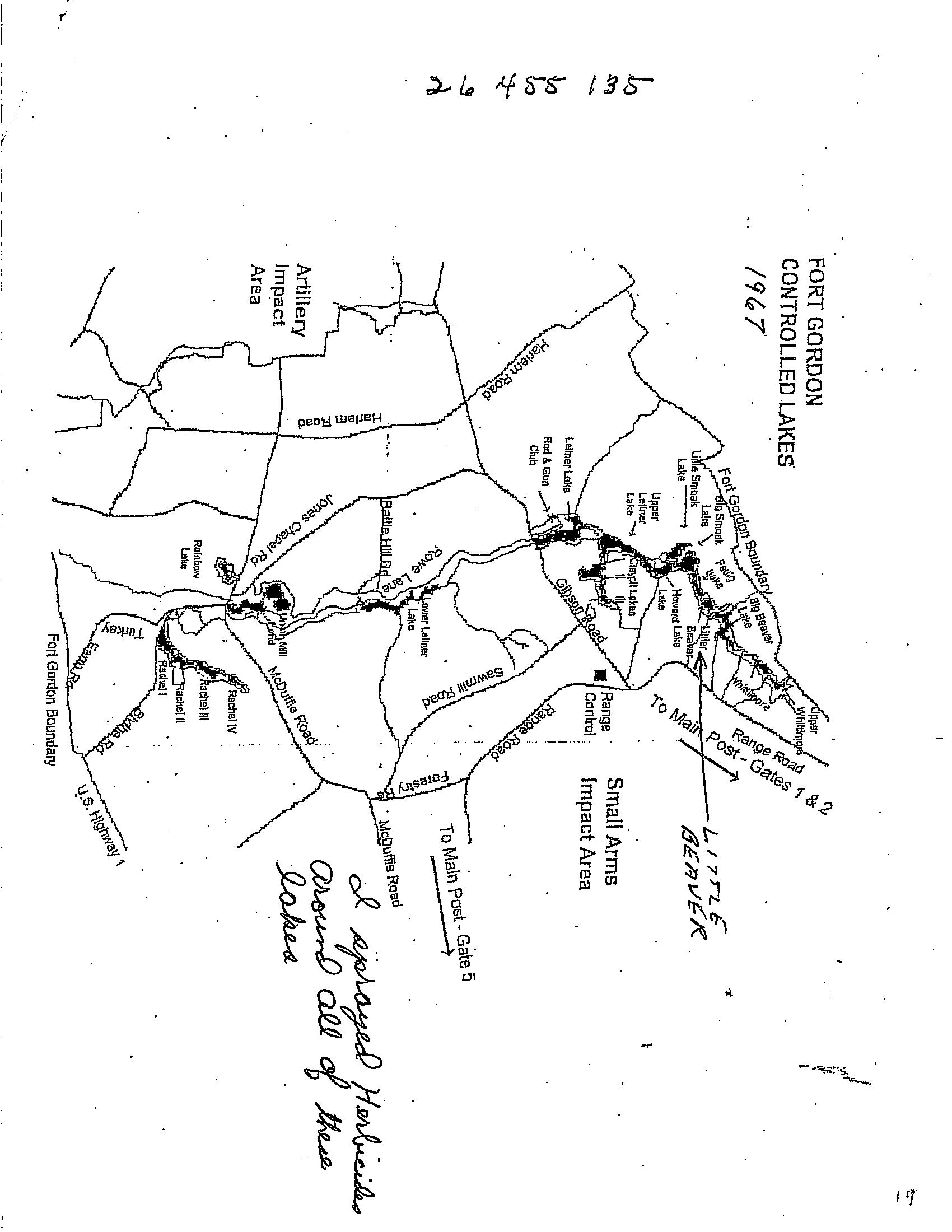
Fort Gordon controled lakes area map. My storage building where I stored herbicides was on the East side of little Beaver Pond and just across the access road close to the dam. .
The Fort Gordon area 47 test area consisted of multiple three acre plots. More than 576 gallons of uncut,not yet deluted, concentrate was used. There would have been, at the least, thirteen 55 gallon steel drums used.
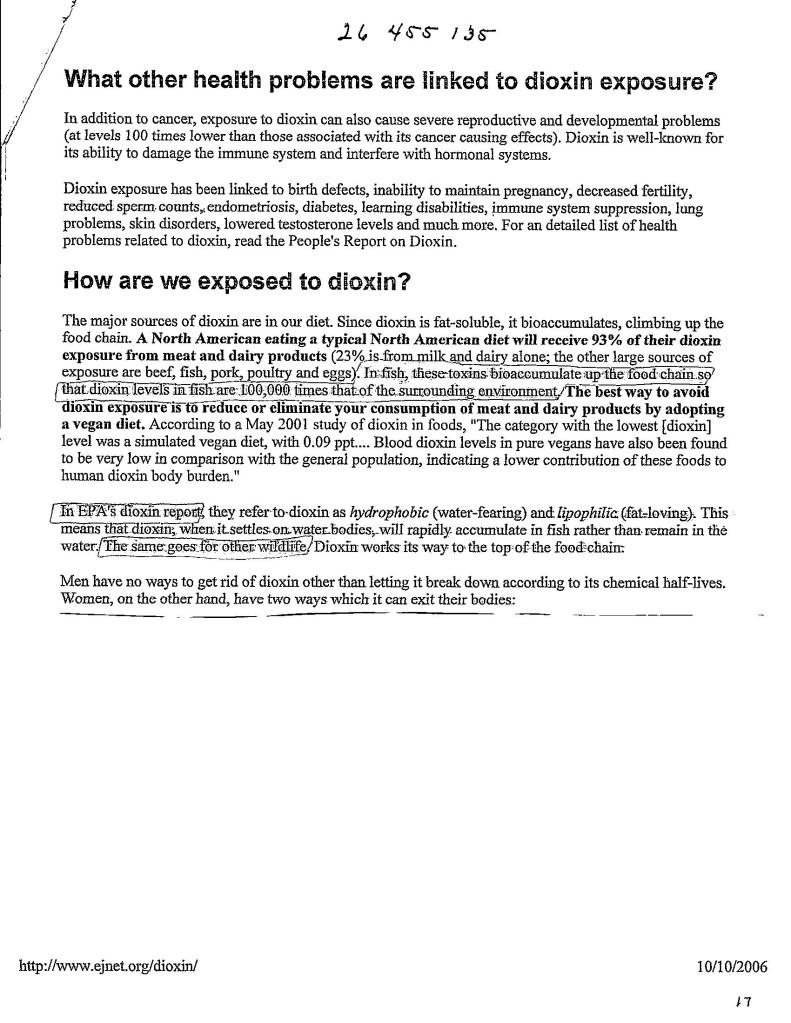
As explained below,Dioxin is said to be water fearing and fat loving.
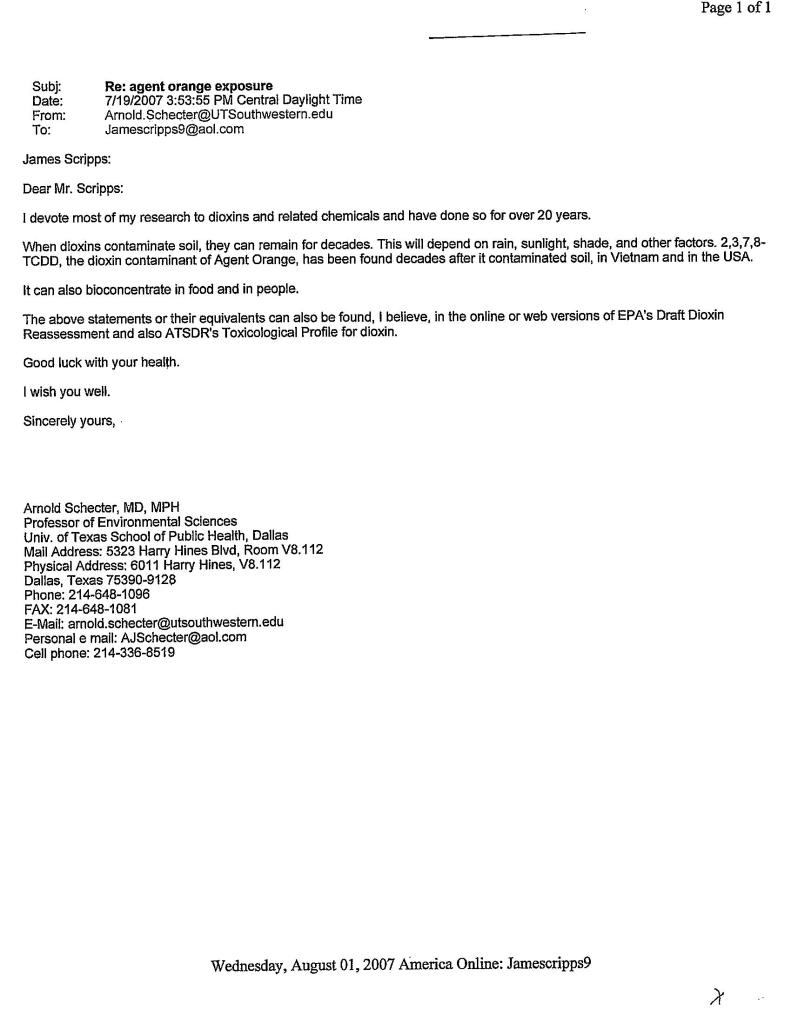
The following is a letter written in support of my claim by the formost authoritive expert on the subject of agent orange in Vietnam and the United States.
The following is a statement written for me in 2006 by the Fort Gordon Chief Post Engineer. He was the Engineer when I was stationed there as a Game Warden and remembered me by name as being the Fort Gordon Game Warden.
The following statement was written by the 2006 Fort Gordon Game Warden.
2006 Fort Gordon Game Warden
With his permission, I took this picture of the Fort Gordon Game Warden in 2006.
This letter was written in support of my claim by the Director of the Georgia Pesticide Division Director.
My ongoing efforts to expand awareness of the use of Agent Orange at Fort Gordon Ga,so that those involved might pursue their benefits for disabilities caused by this tragedy.
I met veterans advocate John Stacy about twenty years ago in cyber space. John was, as I recall, the host of the Stardust Radio broadcast, along with Strech, his co host. We began communicating and sharing information on how to win veterans claims.
About the same time, 2004, or 2005 I began communicating with this guy who called himself asknod. We exchanged ideas and shared our tactics about veterans benefits and how best to work around some of the VA’s denials. Later on, I found out that my friend,asknod, was actually veterans advocate, Alex Graham. Alex later went on and got his VA certification and became an independent claims agent.
A few years later I was working with five US Army WAC Captains who were stationed at Fort McClellan Al back in the late 1960s. Those five captains were purposely exposed to agent orange as an experment, just to see what would happen to them. We were all trying to win our agent orange claims for exposure within the continental United States and were sharing information and research. I finally won my claim which became the very first AO exposure case to be won for a veteran’s exposure to AO inside CONUS. We never did manage to obtain the evidence needed to prove the exposure and win the cases for the five captains.
After the five captains died, I finally met Mr. Ray Cobb. Ray was the Fort Mclellan photographer who was assigned the duty to photograph those five captains as they were being sprayed back in the late 60s. Had I met Ray Cobb earlier, his testamony would have won the claims for the five WAC captains. I was able to help Ray win his case of AO exposure at Fort Mcclellan which became the second case to be won for AO exposure in CONUS.
On November 8th 2023, Mr Cobb, who is now the Post Commander of American Legion Post 44 in Winchester Tn. is sponsoring a seminar on veterans benefits with special emphasis being those, “little understood”, special monthly compensation ratings beyond 100% all the way up to and including SMC R-2.
For the very first time, the guest speakers at that event, James Cripps, Alex Graham, John Stacey and Ray Cobb will meet face to face in one place. I have never met John Stacey or Alex Graham, nor has Ray Cobb. For us, this is an event of a lifetime and I can’t wait to meet, in person those rare gentelmen who have devoted so much time and effort towards the betterment of their fellow veterans as they truly are a rare breed.
The following was written by Alex Graham on the subject of that seminar.
And if that isn’t enough, I’ve been invited back to the Winchester, Tennessee Veterans’ hoedown in November. The County VSOs are mystified as to why no one at VA will brief them in on SMC. I was asked to do the honors. I’ve never had the pleasure of meeting some of these great gentlemen in person. James Cripps, John Stacey, Ray Cobb and I will break bread for the first time in our lives after over a decade or more of friendship. We epitomize the ‘Win or Die’ mantra. We’re like the Energizer Bunny- we take a lickin’ and keep on tickin’.
Yes, Alex is exactly right about taking a lickin and keep on ticking. As far as myself, along with several other comorbidities, body has been reconstructed from my knees to my navel and I am on my fifth defibrillator, all as due to my military service. I have the maximum VA disability rating of R-2.
Mr Ray Cobb has also suffered greatly and paid a huge the price as a direct result of serving his country. Ray also is also a R-2 rated veteran.
Alex is a two tour Vietnam veteran who should have met his demise a long time ago as a result of his military experience. Alex survived unimaginable surgery and was invited to live room and board free, in a VA hospital for many months while his enteros were rearranged for him. He might have been just malingering, I don’t know, but he does wear the scars.
John Stacey, well John didn’t get off lightly either, He has endured his own equally serious medical problems as due to his military service. I would imagine the same thing drives John that is so compelling to Ray, Myself, and Alex. We feel a need to help other veterans to not go through what we had to go through in order to secure and obtain our own VA benefits.
To Print Copy and paste into your web browser. Print the 2 page Nexus explanation next,print the 1 page example of a Nexus Give to your doctor.
There are certain important things in this world that we only get one shot at. Such is the Nexus letter in a veteran’s service-connected disability claim with the Department of Veterans Affairs. Although only one Nexus letter is required, it is advisable to seek the overwhelming number of three individual and concurring Nexus letters if possible. The Nexus letter may require a lot of effort on the part of the veteran, but the return is indispensable.
Generally, according to the law, three elements are necessary and therefore required to obtain a favorable decision by a veteran for service-connected benefits.
#1- An event in service that could have caused or aggravated a disease or condition
#2- A present day diagnosis of the existence of the same disease or condition
#3- A medical opinion linking number 1 with number 2
The required medical opinion is called a Nexus letter. The letter must be written specifically for the individual and explicit to that individual’s claim. It is important that the opinion be expressed as a degree of likelihood. The degrees of likelihood, arranged in ascending order from the lesser to the greater are as follows, “not likely”, “at least as likely as not”, “more than likely”, “and highly likely”.
In the case of “at least as likely as not”, the veteran always receives the benefit of doubt and therefore the outcome is considered a favorable opinion. The doctor, or expert, does not have to use absolutes or conclusions in the statement. Opinions are gleaned by a review of the pertinent records and facts. A professional opinion can then be rendered based upon the record, the medical history, the facts, and the education and/or experience of the author of the letter.
Most denied veterans’ claims failed because of the lack of a Nexus letter altogether or the lack of a properly written Nexus letter.
A proper Nexus letter must be as brief as possible while stating the facts and must include the following:
“After a review of the veterans pertinent records” – (use medical and any service records furnished by the veteran to show the event in service)
“It is my professional opinion that it is at least as likely as not” – (choose and insert the proper degree of likelihood, see above choices.
The author must offer a rationale as to the opinion in the statement – (e.g.,” It is well known in medical journals”)
The author must provide credentials, especially VA titles or specialties – (e.g., Oncologist, Hematologist, Orthopedic Surgeon, Environmental Clinician, etc.)
Please understand that the VA often uses credentials to assign probative value to the nexus letter.









 VA THE REDNECK WAY, YOU DON'T HAVE TO GO IT ALONE!